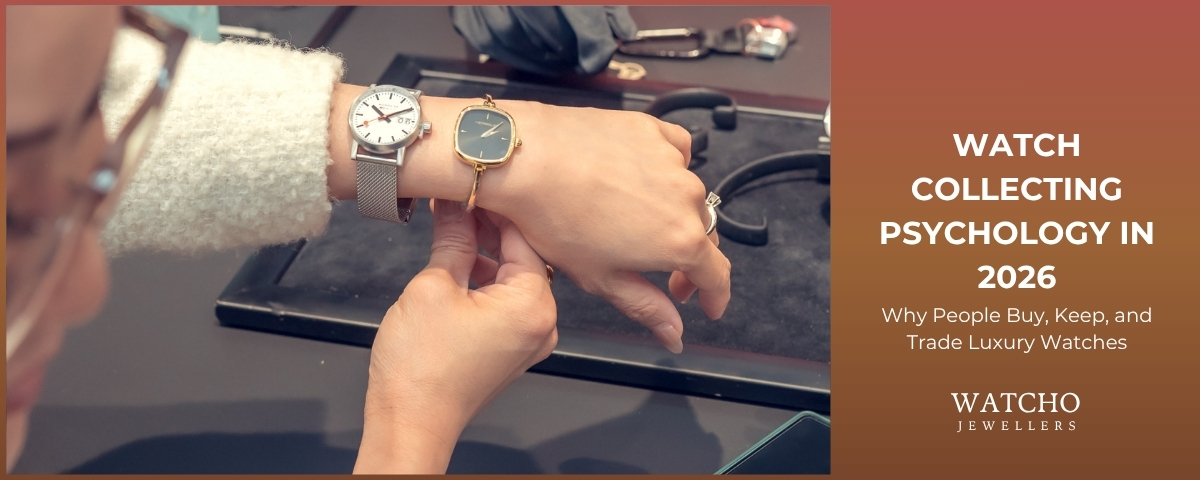
If smartphones already tell the perfect time, why are more people still collecting watches in 2026?
Because modern watch collecting is not about timekeeping alone. It is about identity, emotion, craftsmanship, and increasingly, smart market participation. Chrono24’s H1 2025 market report describes a market defined by stability, selective growth, and brand share shifts rather than broad image.
At the same time, a watch can represent achievement, taste, personal history, and belonging to a community. That is why collecting behavior usually follows a repeat cycle: people buy for excitement and aspiration, keep for attachment and meaning, and trade for refinement and better rotation balance. Deloitte also reports that 1 in 5 consumers now sees watches; new or pre-owned as an investment.
So the real question is no longer Why do people still buy watches?
The real question is: Why do people buy, keep, and trade watches differently now than they did five years ago?
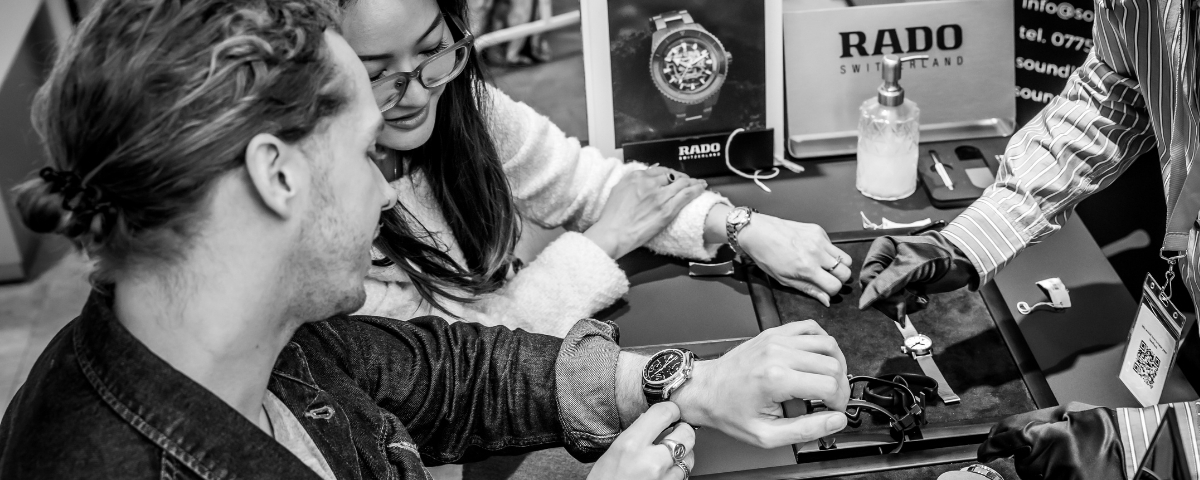
For customers starting out, a practical way to avoid random buying is to build a watch collection around clear roles and budget bands.
A watch no longer wins on pure utility. Phones and smart devices are more accurate and more functional. Yet mechanical and luxury watches continue to attract serious demand because they offer something digital tools cannot: personal symbolism.
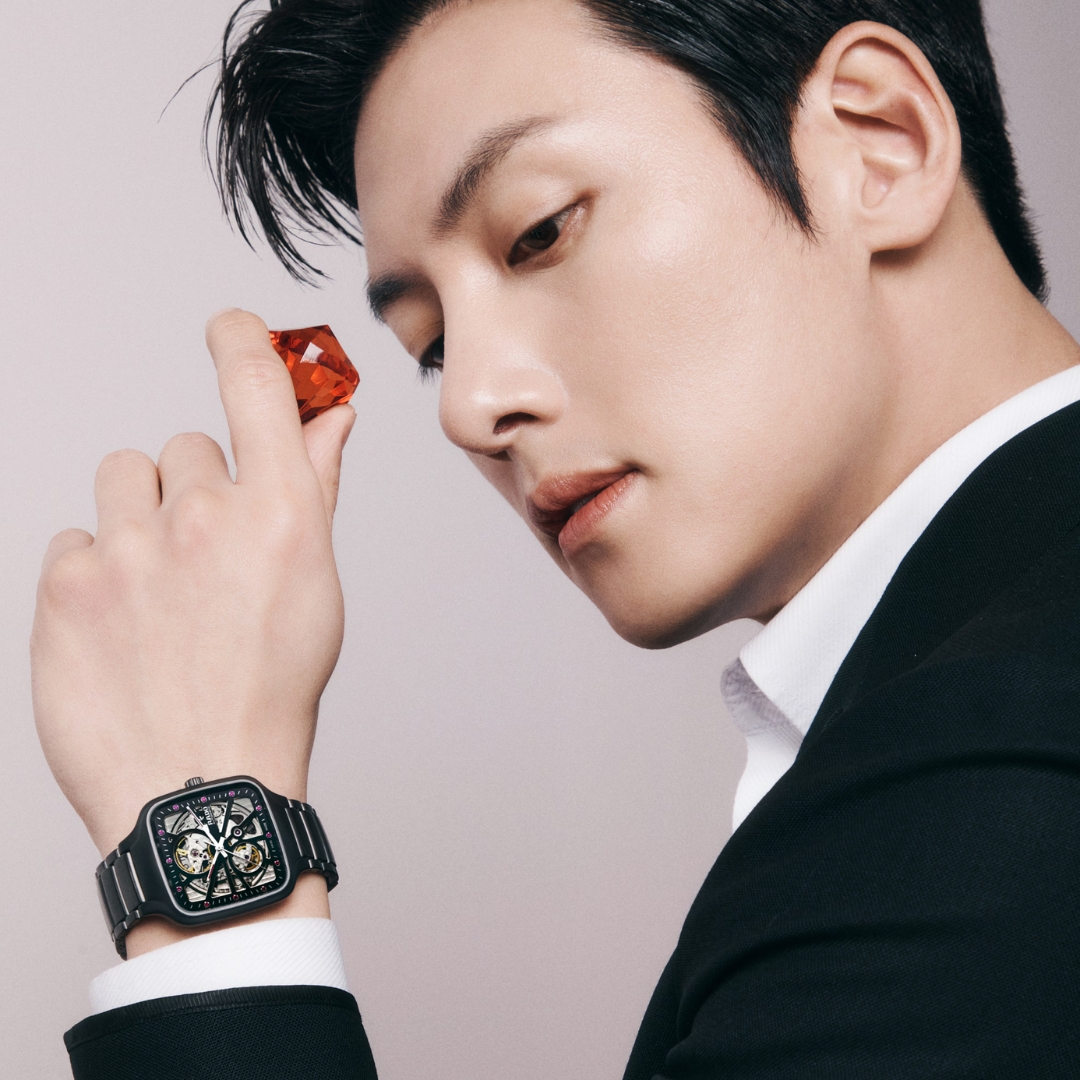
For many people, a watch is a wearable marker of identity. It can signal discipline, taste, achievement, or understated confidence. It can also mark a chapter of life such as graduation, marriage, a first promotion, or a major personal turning point. In this way, watches move from products to personal artifacts.
The culture around watches has also matured. Buyers are better informed, communities are more active, and pricing data is more accessible. WatchCharts also shows how mainstream price tracking has become efficient: its Overall Market Index (300 watches) was last updated on February 9, 2026, with a +7.3% one-year change. As a result, collecting has become less random and more intentional than in previous cycles.
Most collectors are not driven by one motive. They usually have a blend of practical and emotional reasons.
1) Status and Personal Identity
Watches remain one of the few socially accepted status accessories for everyday wear. They communicate taste quietly, especially in professional and formal settings. In Jewelers Mutual’s 2025 Watch Study, 54% of collectors said the feeling of wearing a nice watch is a primary driver behind collecting.
2) Investment Mindset and Resale Optionality
Not every collector expects profit, but many consider resale potential before buying. If you know a watch can hold value or remain liquid creates confidence. This optionality mindset reduces purchase anxiety and supports long-term collecting behavior.
3) Nostalgia and Milestone Memory
Some watches stay forever because they represent life moments, not only performance. Jewelers Mutual’s 2025 findings highlight that collecting is driven by emotional meaning, with watches often treated as heirlooms and memory-linked possessions, not just style products.
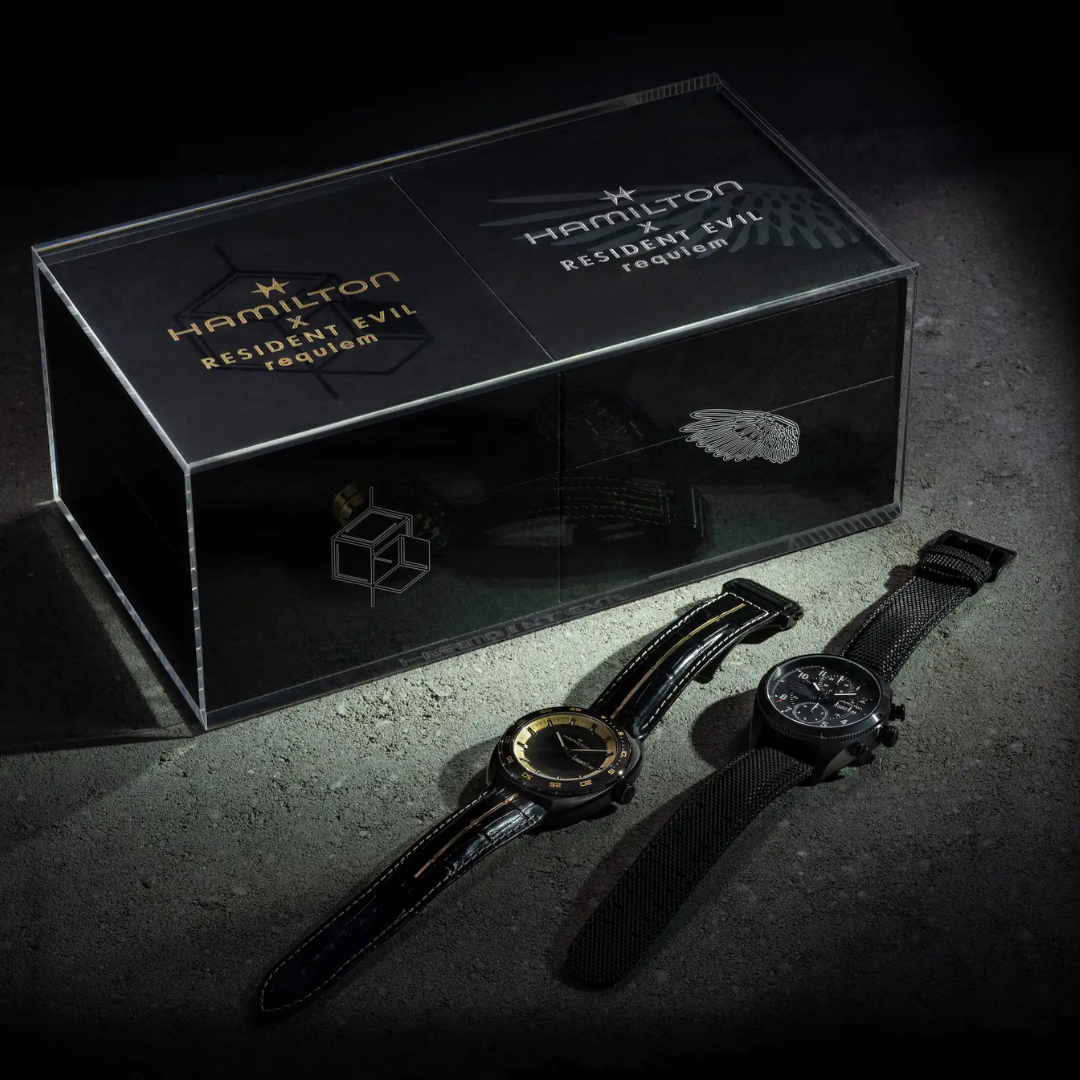
4) Craftsmanship and Product Appreciation
Watch collecting rewards and learning. As collectors study movements, materials, finishing, and brand heritage, ownership becomes a deeper hobby. Deloitte notes that collectors increasingly prioritize technical excellence and historical significance, showing a shift from impulse buying toward craftsmanship-led decisions.
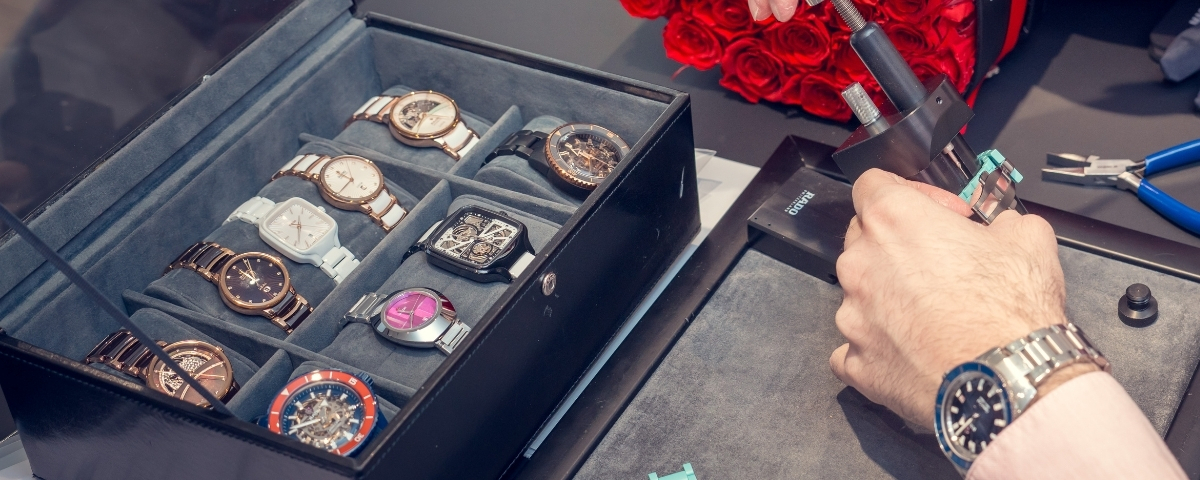
5) Community and Shared Culture
Collectors join forums, follow watch media, attend events, and exchange opinions online. Community creates learning and belonging, but it can also create pressure. That dual effect is central to the psychology of modern collecting.
Most watch purchases happen when three triggers combine:
Desire: design, comfort, story, or emotional attraction
Justification: internal logic such as this completes my collection
Urgency: scarcity, release hype, or price-rise fear
In 2026, urgency is often social-media intensified. Limited drops, influencer visibility, and wrist-shot culture can make ordinary decisions feel time-sensitive. This does not mean every buyer is impulsive. It means the buying environment is psychologically intense. Before buying a daily wearer, always verify your real use case with a simple 50m watch water resistance guide.
Practical Rule for Better Watch Buying:
Before purchasing, apply a simple test:
Would I still want this watch after 30 days if no one else saw it?
If the answer is yes, it is likely a strong fit. If not, it may be a short-term impulse.
Collectors often assume selling should be easy. In practice, it is usually hard.
Once a watch becomes part of daily life, subjective value rises. This is not just financial behavior; it is identity behavior. The watch starts representing a period of life, a relationship, a success, or personal growth. That emotional attachment can make a watch feel unsellable, even when it is rarely worn.


Another reason people keep too many watches is undefined purpose. Without clarity, collectors keep pieces out of guilt, nostalgia, or indecision. As collections grow, basic care habits matter, and this watch winder guide explains how to protect automatic watches properly.
Practical Rule for Keeping Watches
Label each watch clearly as one of three types:
Core rotation piece
Sentimental forever piece
Candidate for trade or sale
Trading has evolved. The strongest collectors in 2026 are not always chasing the next trend; they are refining the quality and usefulness of their rotation.
Common trade motivations include:
Too much overlap between watches
Low wrist time on certain pieces
Lifestyle change for example work, travel, activity level
Desire for fewer but better watches
This is a healthy shift. Instead of accumulating endlessly, collectors are editing their collections with purpose.
Practical Rule for Smarter Watch Trading
Trade when a watch no longer serves a unique role in your rotation. Do not trade simply because of temporary boredom or social pressure.
1) Build a Role-Based Rotation
Define clear roles first: daily wear, formal, travel, active, and sentimental. Then buy to fill real gaps, not imaginary gaps created by trends.
2) Track Wrist Time, Not Just Market Value
If a watch looks great in photos but never gets worn, it is not performing its job in your collection. Real usage is the most honest metric.
3) Use Data Without Becoming Data-Driven Only
Price tools and market charts are useful for timing and risk awareness. But they cannot measure emotional fit, comfort, or meaning. Use data to inform decisions, not replace judgment.
4) Reduce FOMO With a Cooling-Off Window
For social-media-driven purchases, wait at least one week. Short delays often prevent expensive regrets.
5) Prioritize Safe Buying and Selling Practices
In pre-owned transactions, documentation, authenticity checks, and service history matter. A small process upgrade can protect both money and confidence.
Compared to the peak hype years, the collecting market is now more selective and better informed. Buyers are asking better questions:
Is this watch wearable in my real life?
Does it fit my collection roles?
Is this a trend purchase or a long-term fit?
If I sell later, will the process be safe and realistic?
This shift from excitement-first to strategy-first is the most important trend in modern watch collecting psychology.
The future of collecting is not about owning the most watches. It is about owning the right watches.
People buy watches for aspiration and identity. They keep watches for memory and attachment. They trade watches to stay aligned with lifestyle and taste.
If you want a stronger collection in 2026, focus on three principles:
Buy with clarity
Keep with intention
Trade with discipline
When you do this, your collection becomes more than a box of objects. It becomes a curated timeline of who you are, what you value, and how you choose to live.







 +441908983500
 WhatsApp