





 +441908983500
 WhatsApp
There is a tendency in watch circles to treat quartz as a lesser choice, the practical option for people who do not care quite enough. It is a view that is understandable, given how the story of quartz has been told. The mechanical watch revival of the last two decades has made spring-wound movements feel like the true measure of horological seriousness.
But that framing misses something rather fundamental. Quartz technology has produced some of the most impressive engineering achievements in the history of timekeeping. The gap between a mass-produced quartz movement and a Grand Seiko 9F is not a matter of opinion, it is a question of engineering philosophy, and the distance between them is vast.
Once you understand what separates one from another, the conversation about quartz changes entirely. Not because mechanical watches are less deserving of admiration, but because quartz, at its best, is deserving of it too. This is the story of what that difference looks like, and what it means for the watches we carry at WATCHO.
1969: The Shot That Changed Everything
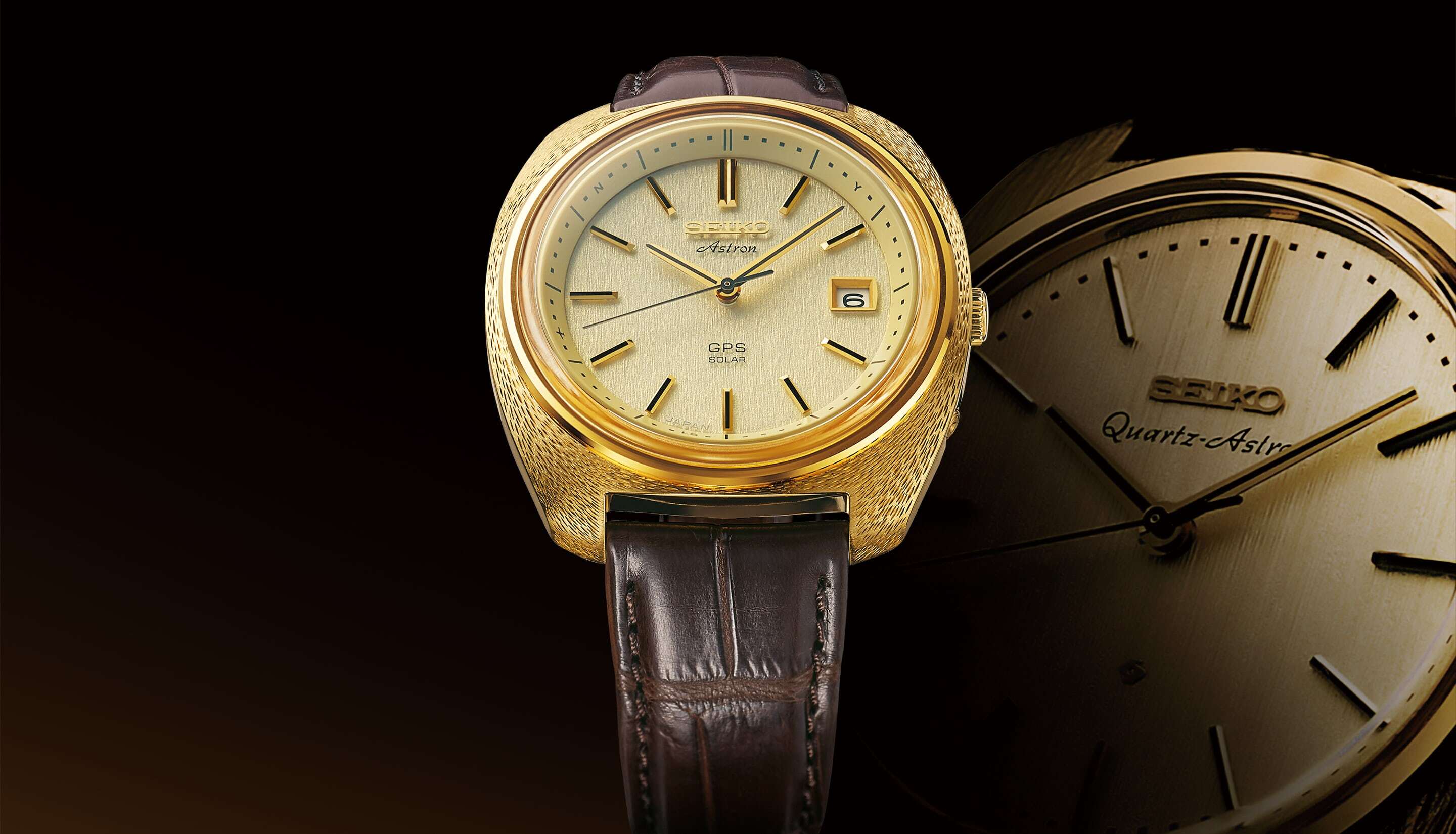
On Christmas Day 1969, Seiko placed a watch on sale in Japan. The Quartz Astron 35SQ. Its accuracy was quoted at five seconds per day, roughly one hundred times more precise than the finest mechanical watches then available. The price was the equivalent of a new car. Only 100 were made.
Within months, every major watch manufacturer on earth understood that everything had changed. The centuries-old craft of springs and escapements, the thing Switzerland had built an entire national identity around, was, in terms of pure accuracy, simply outclassed by a vibrating crystal and a battery. The Swiss watch industry lost roughly two-thirds of its manufacturers over the following decade. It became known, simply, as the Quartz Crisis.
But here is what the Quartz Crisis narrative tends to pass over: the crisis was not caused by quartz itself. It was caused by the democratisation of quartz. Within a few years, the technology became cheap enough to put an accurate timepiece in everyone's pocket. Accuracy became a commodity. And the moment something becomes a commodity, the serious makers start asking: what does it become in the hands of someone who refuses to cut corners?
How a Standard Quartz Movement Works
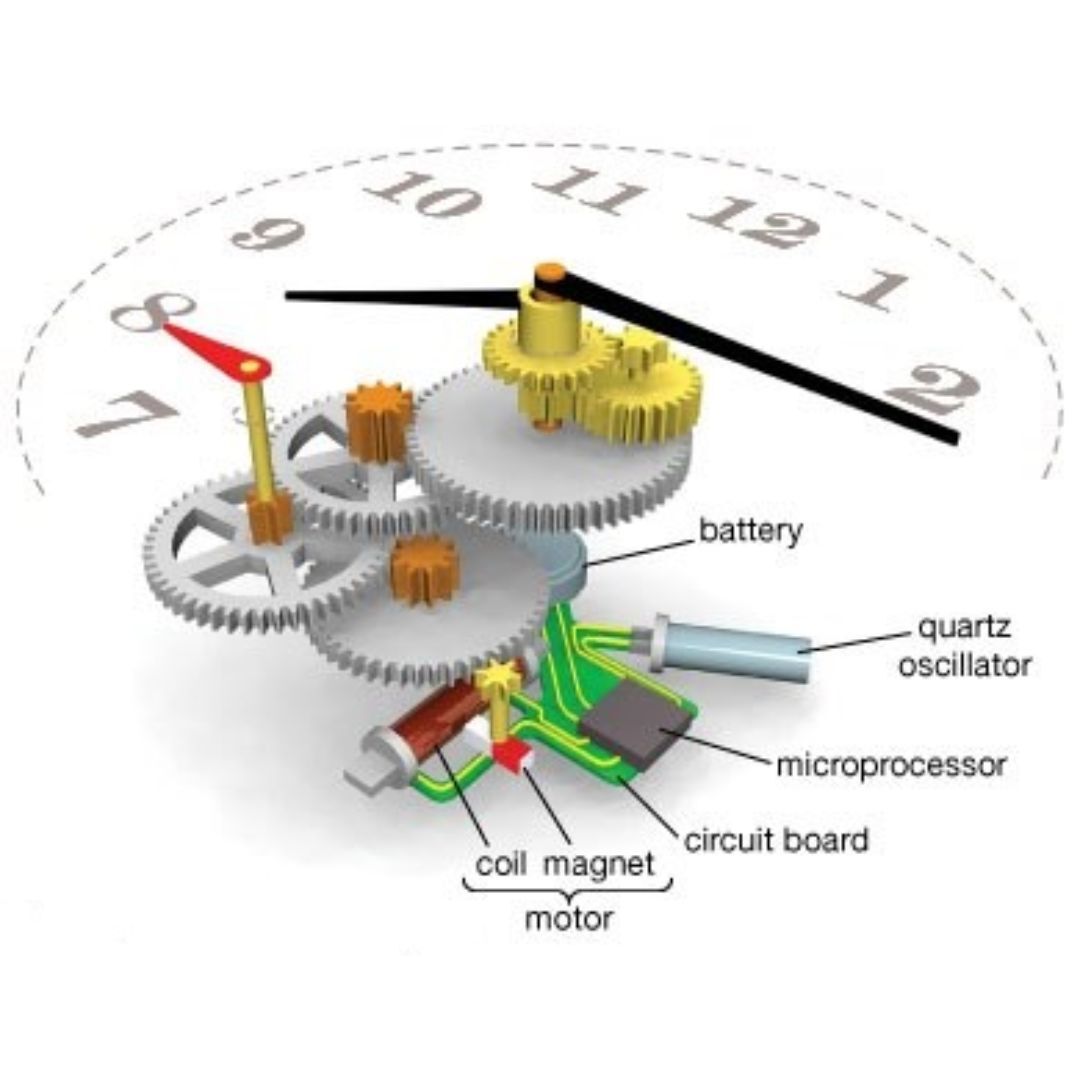
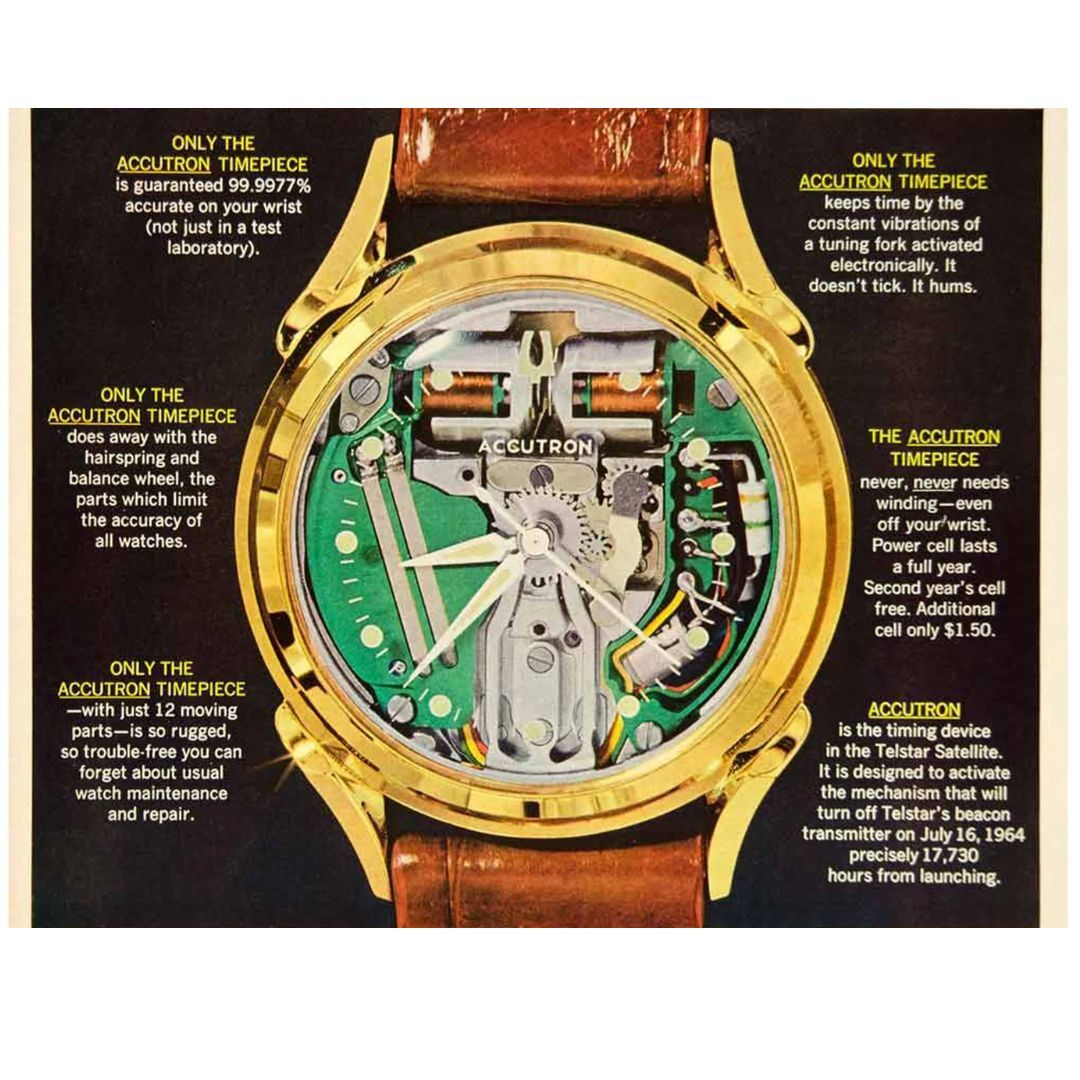
A standard quartz movement works like this: a battery sends an electrical current through a tiny tuning-fork shaped quartz crystal. The crystal vibrates at precisely 32,768 times per second. An integrated circuit counts those vibrations and sends a pulse once per second to a small motor, which advances the hands. The whole thing is inexpensive to manufacture, accurate to roughly 15 seconds per month, and requires no maintenance beyond replacing the battery.
It is, genuinely, a remarkable piece of engineering. For telling the time accurately and reliably, a modest quartz movement performs brilliantly. But the very efficiency that makes it so accessible also defines its ceiling. It is designed to be good enough, cleanly produced, and easily replaced. What happens when the question at the drawing board is not "how do we produce this efficiently?" but "how far can we actually push this?"
Seiko: The Creators Who Never Stopped Pushing
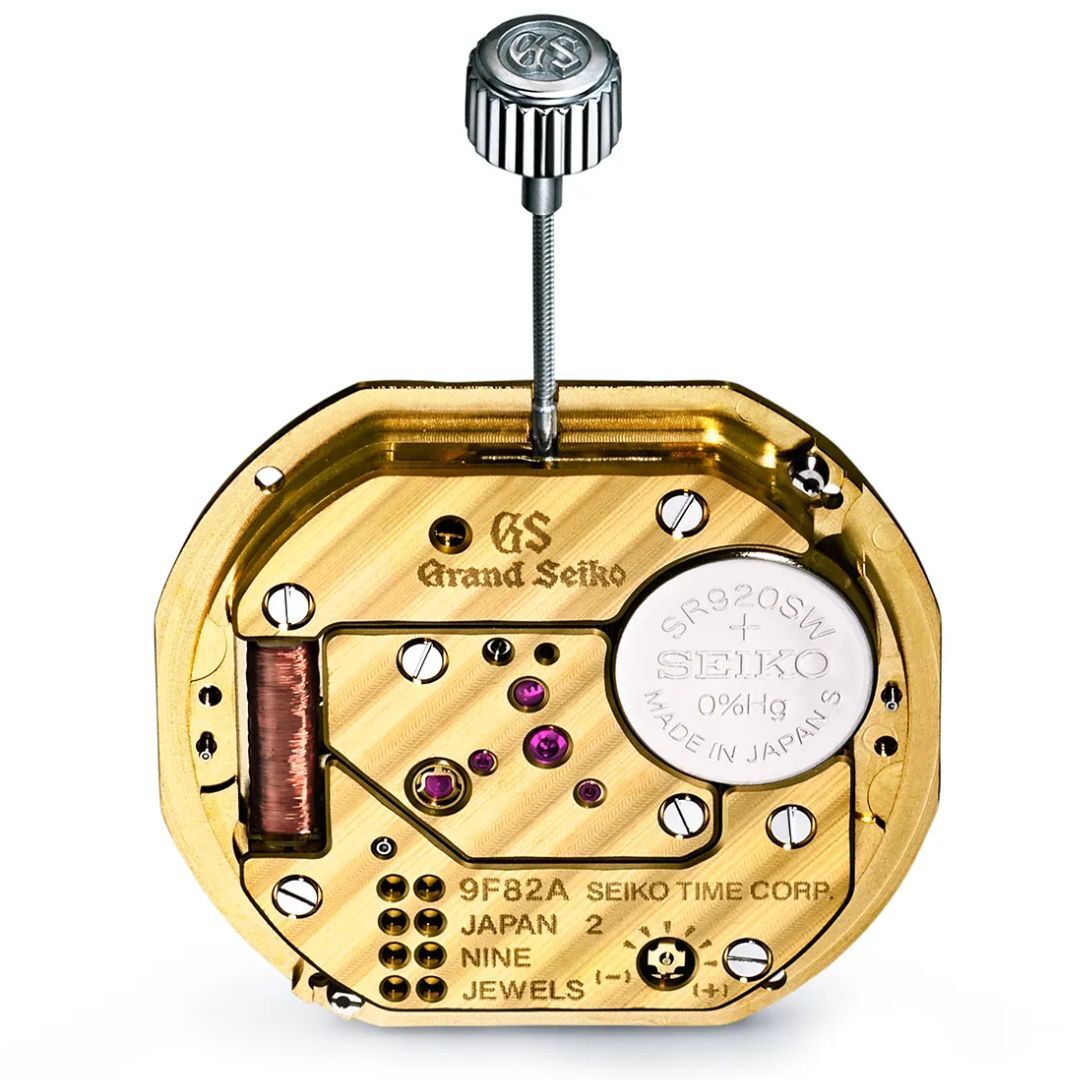
Seiko did not invent quartz and retire to the trophy cabinet. They kept going, and in two directions at once.
The first is the Grand Seiko 9F Calibre, which remains one of the finest quartz movements ever made. Introduced in 1993 after three years of development, the 9F was built to meet Grand Seiko's own exacting standards in every dimension: accuracy, legibility, finishing, and longevity. The accuracy figures are striking. A standard quartz movement drifts by roughly 15 seconds per month. The Grand Seiko 9F is rated to plus or minus 10 seconds per year. That is not a modest improvement, it is a fundamentally different category of precision.
The method behind it is equally impressive. Seiko grows their quartz crystals in-house, in controlled autoclaves. Each crystal is artificially aged for 90 days under carefully managed temperature, humidity, and voltage to ensure absolute stability. Then each crystal is individually paired with its own integrated circuit, programmed specifically to account for that particular crystal's unique response to temperature change. The movement checks the temperature inside itself 540 times a day and fine-tunes the rate accordingly.
The hands on a 9F watch are identical in weight and quality to those on a Grand Seiko mechanical, thick, substantial, and precisely positioned. This was only possible through the 9F's Twin Pulse Control Motor, which provides enough torque to drive heavy hands without the single-pulse jerk of a standard movement. A Backlash Auto-Adjust Mechanism ensures the seconds hand lands exactly on each marker, not fractionally before or after. The date changes instantaneously at midnight. The 9F is hand-assembled and hand-decorated, in the same tradition as Grand Seiko's mechanical calibres.
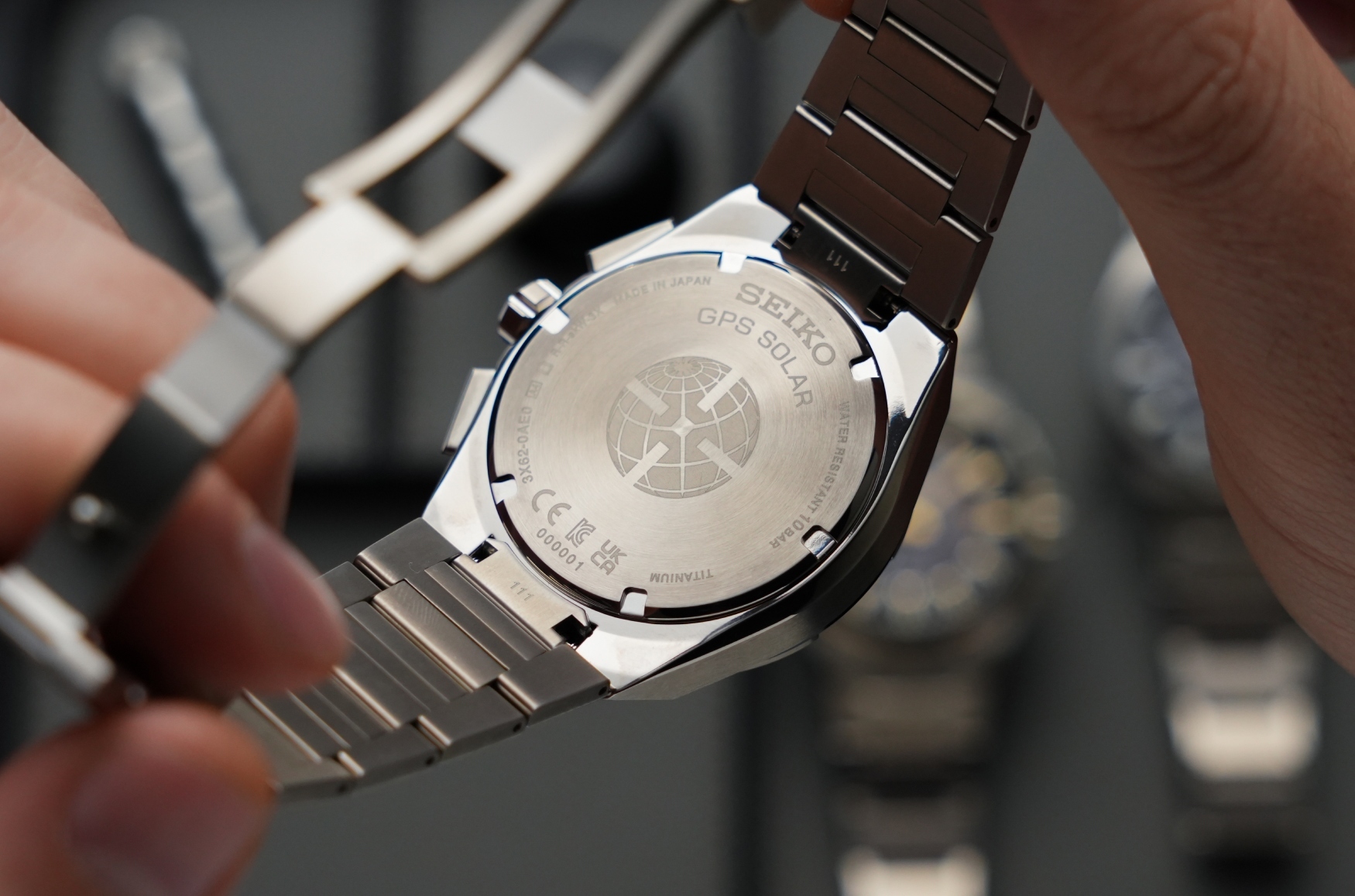
The second direction Seiko took is entirely different, and almost as remarkable. The Seiko Astron GPS Solar line connects to GPS satellites to automatically synchronise to the exact local time anywhere on Earth. It is powered entirely by light, requiring no battery change. The watch knows where it is on the planet and what time it should be displaying. As a feat of applied engineering, putting satellite-linked timekeeping on a wrist, powered by daylight, it sits in a category of its own.
Certina and Tissot: Swiss Precision, Properly Certified
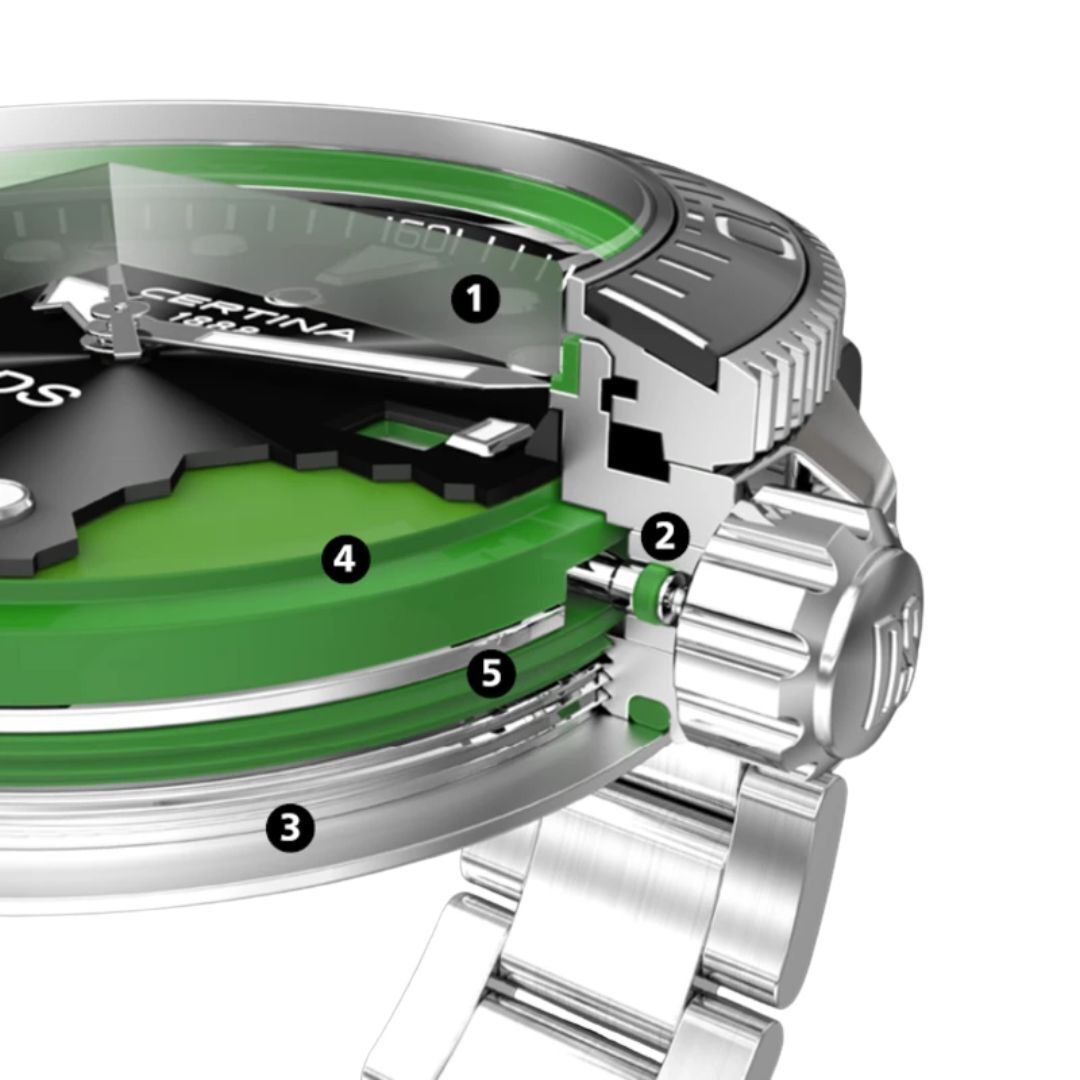
Both Certina and Tissot belong to the Swatch Group, which gives them access to one of the most important quartz innovations to come out of Switzerland: ETA's Precidrive technology. To understand why this matters, consider that a standard Swiss quartz watch drifts by around 150 seconds per year. Not terrible, still far more accurate than any mechanical movement, but a long way from exceptional. Precidrive changes that. Watches equipped with this technology achieve COSC-certified Chronometer precision: plus or minus 10 seconds per year.
The mechanism behind it is genuinely clever. Quartz crystals vibrate at slightly different speeds depending on temperature, the warmth of a wrist behaves differently to a cold winter morning. In a standard movement, this variation simply accumulates as drift. In a Precidrive movement, the quartz crystal is vacuum-sealed inside a ceramic package alongside a dedicated temperature sensor. The moment the temperature shifts, the sensor detects it and the movement instantly recalculates and corrects the timekeeping frequency.
Certina, in particular, has embraced Precidrive across almost their entire quartz catalogue. For a brand built around the DS (Double Security) concept, robustness, reliability, precision, Precidrive fits the ethos perfectly. It is not a headline-grabbing specification. It is an engineering choice made because it is the right one. Tissot applies the same technology across select models in their range; the Precidrive designation marks a meaningful step up in long-term precision, and it is worth looking for when choosing a Tissot quartz.
Citizen: The Light-Powered Engineers
Citizen occupies a fascinating position in the watch world. On the surface, a Citizen can look like an accessible, practical choice. Underneath, the engineering story is one of the most serious in the industry.
The Eco-Drive technology, introduced in its modern form in 1995, is one of those ideas that is so elegant it is easy to underestimate. Solar cells sit concealed beneath the dial, invisible, drawing energy from any light source, natural or artificial. The energy is stored in a rechargeable cell that can power the watch for months in complete darkness. Battery changes become a thing of the past entirely.
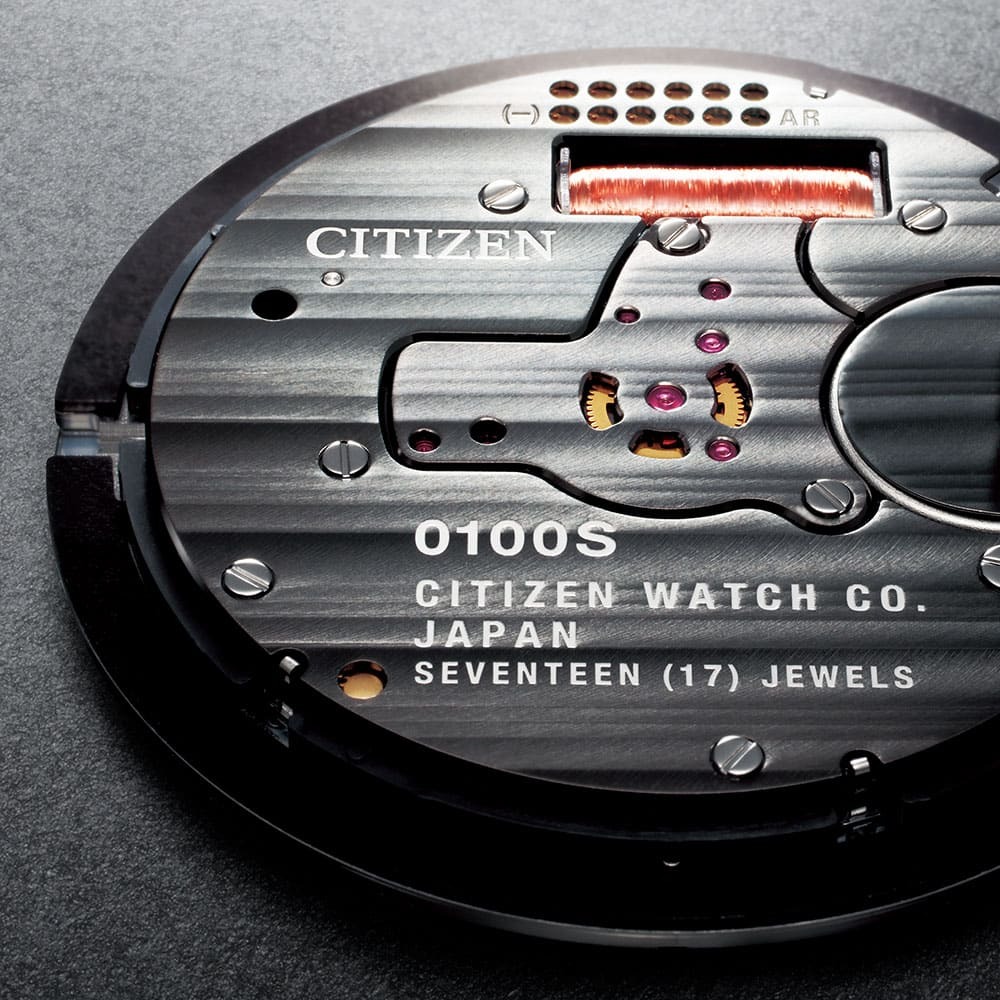
But Citizen's ambitions in quartz precision extend well beyond solar charging. Their proprietary movements include thermal compensation and, at the high end, genuinely record-breaking accuracy. The Calibre 0100, found in the brand's flagship The Citizen collection, uses an AT-cut quartz crystal vibrating at over 8 million times per second, individually selected and pre-aged for stability. The result is plus or minus one second per year. Not per month. Per year. It is, currently, the most accurate autonomous wristwatch movement in the world.
Bulova: A Different Physics Entirely
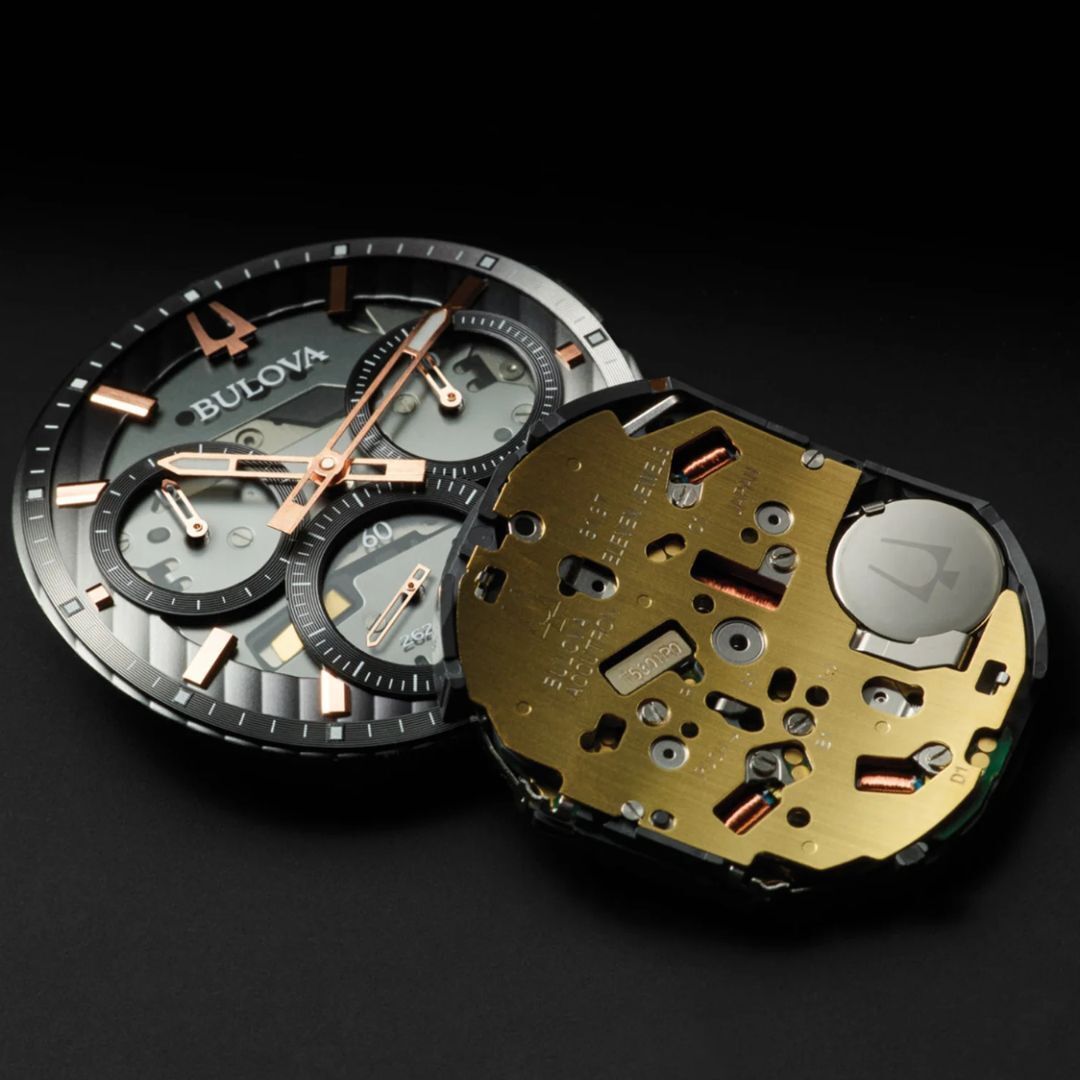
Bulova's approach to quartz accuracy is unlike anyone else's. Rather than compensating for the limitations of a standard crystal, they changed the crystal itself.
A conventional quartz watch uses a two-pronged tuning fork crystal vibrating at 32,768 Hz. Bulova's Precisionist and Lunar Pilot lines use a proprietary three-pronged crystal vibrating at 262,144 Hz, eight times faster. Higher frequency means more data points per second, which translates directly into greater accuracy: around plus or minus 10 seconds per year, achieved through sheer oscillation speed rather than electronic compensation.
The visible consequence is one of the most distinctive things in quartz watchmaking: a truly smooth sweep seconds hand. Because the motor receives pulses at such high frequency, there is no visible tick. The hand moves in a continuous, fluid arc, the kind of motion associated with the finest mechanical movements. It is a side effect of the engineering, but an extraordinarily appealing one. The Bulova Lunar Pilot has its own history worth noting: a version of the watch flew to the Moon on the Apollo 15 mission in 1971, worn by astronaut Dave Scott. The lineage is real.
F.P. Journe Élégante: The Watchmaker's Philosophical Question
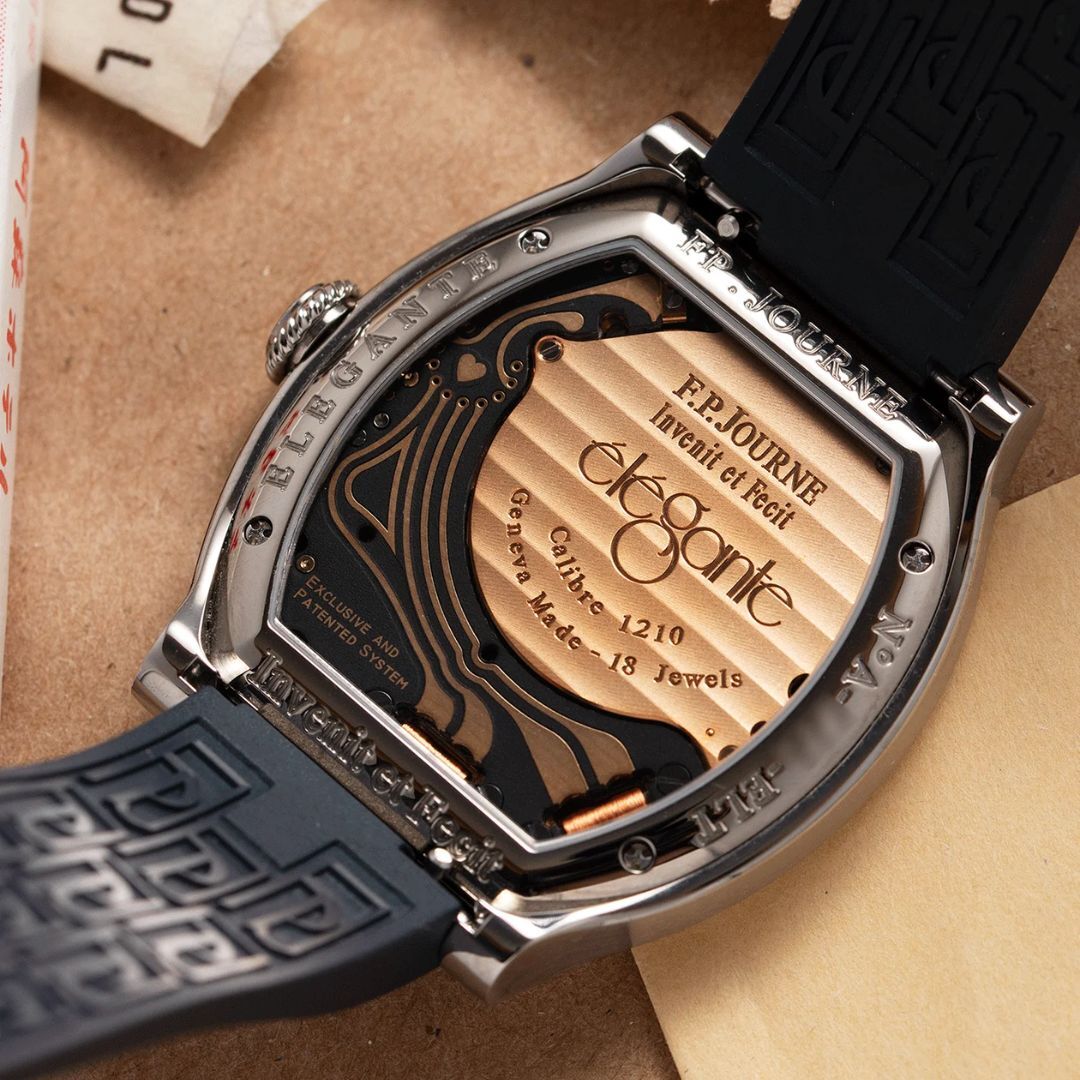
François-Paul Journe is one of the greatest living watchmakers. His mechanical creations are studied, discussed, and collected by the most serious horologists in the world. He is not someone who makes quartz watches for lack of ambition. He makes one because he found a question worth answering.
Journe's question was this: a quartz watch's motor consumes power even when no one is looking at it. If the watch spends hours on a bedside table overnight, energy is being spent advancing hands that no one is reading. Could that waste be eliminated?
The answer, after eight years of development, was the Calibre 1210, the movement at the heart of the Élégante. A small oscillating gold mass sits at 4:30 on the dial. When the watch is not worn, the Élégante notices. After 35 minutes of stillness, it enters standby mode: the hands stop, the mechanical elements rest. But the microprocessor keeps counting. Silently, in the background, it continues to track time while the movement is at rest.
The moment the watch moves again, the system wakes. The hands spring to the exact current time, taking the shortest possible route, clockwise or counter-clockwise, whichever is faster. The resynchronisation takes moments. The result is a battery life of eight to ten years in daily use, and up to eighteen years in standby mode. Every mechanical component is manufactured at Journe's own Geneva manufacture. The finishing, Côtes de Genève, polished screw heads, bevelled components, is the finishing of haute horlogerie applied to a quartz movement. It is a watchmaker's answer to an engineer's problem. And it is, by any measure, an extraordinary object.
What This Means When You Choose a Watch
The distinction that matters is not mechanical versus quartz. It is the question the maker started with. A watch built around "how do we make this affordable and reliable?" is a different object from a watch built around "how far can we push this technology?" Both can be excellent. But they are not the same thing, and they are not asking the same question of you as a wearer.
The brands in the WATCHO collection span this range deliberately. Seiko's standard quartz lines are honest, well-engineered Japanese movements, among the best available at the price. Grand Seiko's 9F is in a different conversation entirely. Certina's Precidrive-equipped watches carry COSC certification that most mechanical watches would be proud of. Citizen's Eco-Drive removes the battery change from the equation completely, and at the flagship level, sets accuracy records. Bulova's Precisionist gives you a swept seconds hand and precision to rival the finest movements. Tissot applies Swiss Precidrive engineering across a range that is accessible without being compromised.
None of these are the same. Not in philosophy, not in engineering, not in what they ask of you as a wearer or of the people who made them. Quartz at its best is not a compromise. It is a different kind of commitment to the same fundamental question: what does it mean to build a watch worth wearing?